Gifting Garden Connects Students, Advocacy Agency for Developmentally Disabled
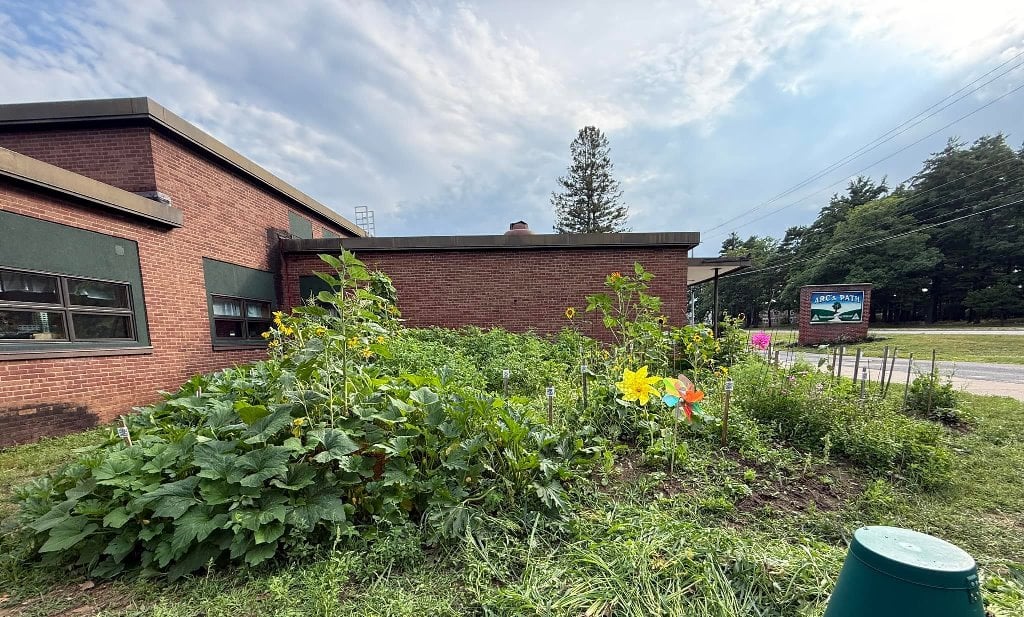
A SUNY Plattsburgh environmental science professor has planted the seeds of community service through her class on population and community ecology and a partnership with the Advocacy and Resource Center of Clinton County.
Dr. Danielle Garneau, professor in the Center for Earth and Environmental Science whose expertise is in ecology, teaches the population and community class in the spring semester. She said the connection with the ARC started a couple years ago when a former staff member there discovered that she “gifts” gardens as a community service project. This spring was her turn to teach the course.
In her course, Garneau’s students read SUNY College of Environmental Science and Forestry Distinguished Teaching Professor Robin Wall Kimmerer’s book, “Braiding Sweetgrass,” incorporating the content into her lectures on plant community ecology “from a Western science perspective,” she said.
Students Connect with Kimmerer Book
Garneau said Kimmerer, an enrolled member of the Citizen Potawatomi Nation, “blends her experience as an ESF professor with her traditional way of knowing as an Indigenous woman,” Garneau said. “Her book enriches our understanding of the science in a complementary way. Students really connect with this book and share their personal connections with passages and the philosophy of reciprocity in our discussion sessions.”
 When the ARC reached out to Garneau about the possibility of gifting a garden that
clients could then take over, tend and harvest, she saw the makings of a reciprocal
relationship. The ARC would receive the garden while the students would plant it —
from scratch.
When the ARC reached out to Garneau about the possibility of gifting a garden that
clients could then take over, tend and harvest, she saw the makings of a reciprocal
relationship. The ARC would receive the garden while the students would plant it —
from scratch.
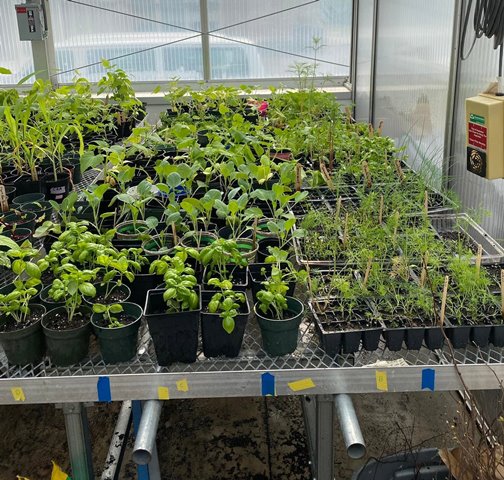
“This is our second garden planted at ARC,” Garneau said. “We start seeds in the class toward the end of the semester. Each student gets their hands dirty and watches them grow in the (Hudson Hall) greenhouse.”
Garneau is the primary waterer in the greenhouse and receives help from greenhouse student workers who also water as needed throughout the growing season, she said. Mid-June, she and several students then move the plants to the ARC’s facility on New York Road in Plattsburgh.
Christina Valoshka, a senior biology major from Rochester, N.Y., said she enjoyed helping with the gifting garden.
“I found it to be even more fun to help with a summer project for people that can learn and explore the world in a safe space,” she said. “I also just tend to gravitate toward projects that help people out. I had free time and wanted to get out of my comfort zone and do more in relation to outside activities with people I didn't really know. The garden ties back to ecology by displaying plant varieties and their benefits to us and each other.”
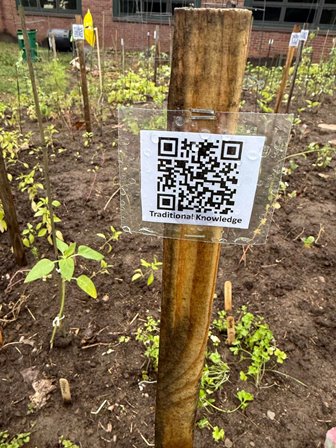 Now that the garden is in the hands of ARC staff and clients, Garneau said she goes
back periodically to check on it, “but typically the planting is where I pass the
baton to ARC staff. I got the QR code signs in so dayhabbers (adults in the ARC day
habilitation program) can learn more about plants, pollinators and pets,” she said.
“There are traditional stories shared as well, associated often with strawberries
and corn, beans and squash — the Three Sisters.”
Now that the garden is in the hands of ARC staff and clients, Garneau said she goes
back periodically to check on it, “but typically the planting is where I pass the
baton to ARC staff. I got the QR code signs in so dayhabbers (adults in the ARC day
habilitation program) can learn more about plants, pollinators and pets,” she said.
“There are traditional stories shared as well, associated often with strawberries
and corn, beans and squash — the Three Sisters.”
Jessica LaPier, assistant director of habilitation services at the ARC, said the care of garden is shared amongst herself, other program staff, clients and high school summer interns. Sign-up times guarantee people remember to water in the morning and on weekends, she said.
“Everyone loves to pick from the garden, but working on our weeding skills even in this second year takes a lot of time working with our folks to identify what is a weed and what is not,” LaPier said.
The ARC staff works with folks on cooking classes in the facility’s kitchen, she said.
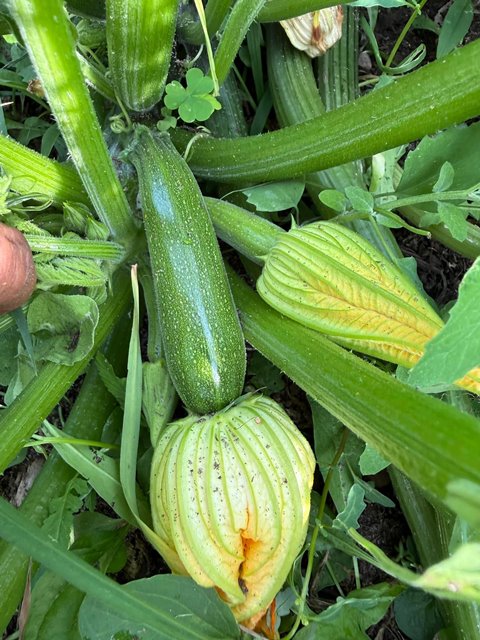 “They see what is in the garden, and then that inspires them and their staff to look
up recipes. I have a few staff who really go above and beyond finding some unique
recipes that also align with people’s dietary needs,” LaPier said. “They also will
use some of the items such as the mint from the garden to make big jugs of flavored
water for the building, which encourages our folks to make healthier beverage choices.”
“They see what is in the garden, and then that inspires them and their staff to look
up recipes. I have a few staff who really go above and beyond finding some unique
recipes that also align with people’s dietary needs,” LaPier said. “They also will
use some of the items such as the mint from the garden to make big jugs of flavored
water for the building, which encourages our folks to make healthier beverage choices.”
The Advocacy and Resource Center of Clinton County is one of 35 local Chapters of The Arc New York, the largest provider of supports and services for people with intellectual and developmental disabilities in New York state.
“A lot of the folks we support have habilitative goals that include engaging in healthy lifestyles,” LaPier said. “The other day we had a lady take a walk around the building, stop in the garden and was able to collect a few items to make a salad. It was nice that it was so naturally occurring yet helped her realize that she was working toward a goal.”
Finds it ‘Therapeutic’
Garneau said the difference she’s found between the ARC garden and others gifted “is that I have learned that it is being used more fully, engaging dayhabbers with weeding and harvest, prepping veggies for meals, and then much of the food is used in house or sent home as part of supplemental meals.
“I don’t have a garden of my own at home,” she said. “I don’t consider myself to have a green thumb, but this started as a bit of a learning experience for me, too. I find it therapeutic to spend time caring for the plants. Tracking their phenological progress from seed to cotyledon (seed leaves) emergence, to flower and fruit is really rewarding.”
— By Associate Director of Communications Gerianne Downs; Photos Provided