ACE Program Demonstrates Track Record of Student Academic Successes
A SUNY initiative launched in spring 2024 to increase graduation rates and reduce financial barriers for first-generation and Pell Grant-eligible students has met with continued success at Plattsburgh, according to the program’s director.
SUNY Plattsburgh received more than $900,000 from the state’s $75 million Transformation Fund in fall 2023 to be used over three years to replicate the successful program, modeled successfully by the City University of New York. SUNY Plattsburgh was one of 19 State University of New York campuses across the state to be awarded funding in 2023.
The Advancing Completion through Engagement program provides wrap-around support for first-generation or Pell-eligible students who are not part of other student support programs such as the Educational Opportunity Program or Accessibility Resource Office.
The ACE program here strives to ensure student academic success, retention and on-time graduation by providing academic assistance, personalized advisement, career development activities and funding to cover textbooks, groceries, transportation and other costs of attendance.
In spring 2024, SUNY Plattsburgh launched its pilot program with 33 students. The following semester, the university was able to offer space to 177 additional students thanks in part to funding from the Robin Hood Foundation. As a result of permanent state funding last year, the university was able to open it up to 300 students plus an additional 40 through the Robin Hood funding.
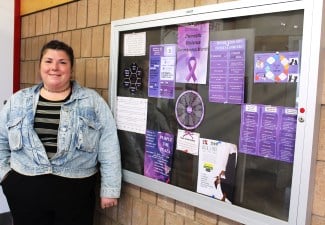
 Program Director Sara Welch said the ACE program continues its successful trajectory,
with the 2025-2026 academic year highlighting “the exceptional academic achievements
of ACE students and demonstrating the program’s ability to support students with a
wide range of academic needs.”
Program Director Sara Welch said the ACE program continues its successful trajectory,
with the 2025-2026 academic year highlighting “the exceptional academic achievements
of ACE students and demonstrating the program’s ability to support students with a
wide range of academic needs.”
‘Incredibly Impressive’
Last spring, almost 95 percent of the more than 300 ACE students were in good academic standing, with a cumulative GPA of 2.0 or higher. Among those students, 65.9 percent earned a cumulative GPA of 3.0 or higher; 45.4 percent qualified for the Dean’s List with a 3.4 or higher.
“It’s incredibly impressive,” Welch said. “Even though some had academic challenges, we saw huge improvements. The percentage of ACE students on academic recovery, which means at risk for dismissal for having a cumulative GPA under 2.0, decreased from 19.5 percent in fall 2024 to 5 percent by spring 2026. You need a 2.0 or greater to graduate.”
Welch said her office engages these students in more intensive academic advising, meeting with them more often, proving resources such as tutoring, coaching, maybe suggesting retaking classes or changing majors, all to help them succeed.
Return to Good Academic Standing
“At the end of the semester, they may be dismissed, or they may move into a different category,” she said. “Of the 22 ACE students on academic recovery during spring 2026, 13 improved their cumulative GPA and nine successfully returned to good academic standing.”
Welch said that the introduction of the ACE program at SUNY Plattsburgh “widened the net for students who might not have had the support otherwise. A lot of our students are financially eligible but not academically eligible for the Educational Opportunity Program or other support programs. The focus of our program is helping students graduate within four years, which lowers the cost.”
And students who receive support are more likely to graduate on time.
Students enrolled in the program are provided with:
- A dedicated ACE adviser and peer mentor, who assist with navigating college
- Cost of attendance award
- Up to $150 per semester in textbook assistance
- $200 per semester stipend to be used for expenses
- Career counseling and graduate school preparation assistance
- Personal, academic and financial counseling
For their part, students must:
- Meet with ACE advisers at least twice a month
- Participate in all academic support activities such as workshops, tutoring, academic coaching and peer mentoring appointments as prescribed by their ACE adviser
- Maintain full-time status with at least 15 credit hours per semester
- Respond to all ACE staff communications
- Complete all career development activities as per ACE advisers
- Enroll in courses during winter and summer months if 30 credits are not earned by the end of the academic year
- Commit to graduating within four years by following a four-year academic advisement plan approved by ACE academic advisers
“Seeing those initial cohort of students from spring 2024 entering their senior year — we call them the ‘Face of ACE,’” Welch said.
Anny Nelzy and Joshua Severino are two of those faces of ACE who have been with the program since the beginning.
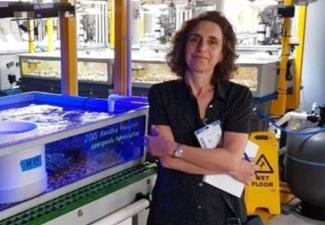
 “The ACE program has been an incredibly meaningful part of my college experience and
has played a major role in my success,” said Nelzy, a senior biomedical sciences major
from Brooklyn. “One of the most immediate ways it supported me was financially. The
$150 stipend we received helped me afford some of my textbooks, which took a lot
of stress off my shoulders, especially off the start of the semester when costs can
add up very quickly.”
“The ACE program has been an incredibly meaningful part of my college experience and
has played a major role in my success,” said Nelzy, a senior biomedical sciences major
from Brooklyn. “One of the most immediate ways it supported me was financially. The
$150 stipend we received helped me afford some of my textbooks, which took a lot
of stress off my shoulders, especially off the start of the semester when costs can
add up very quickly.”
‘Best Decisions Ever Made’
Nelzy said she didn’t know what to expect when she first heard of the program first semester of her first year.
“Now, going into my fourth year at SUNY Plattsburgh, I can confidently say that joining ACE was one of the best decisions I have ever made. I am so grateful that I was one of the students who checked their email that day and responded right away, because the support, community and resources I have gained from this program have truly shaped my college experience for the better.”
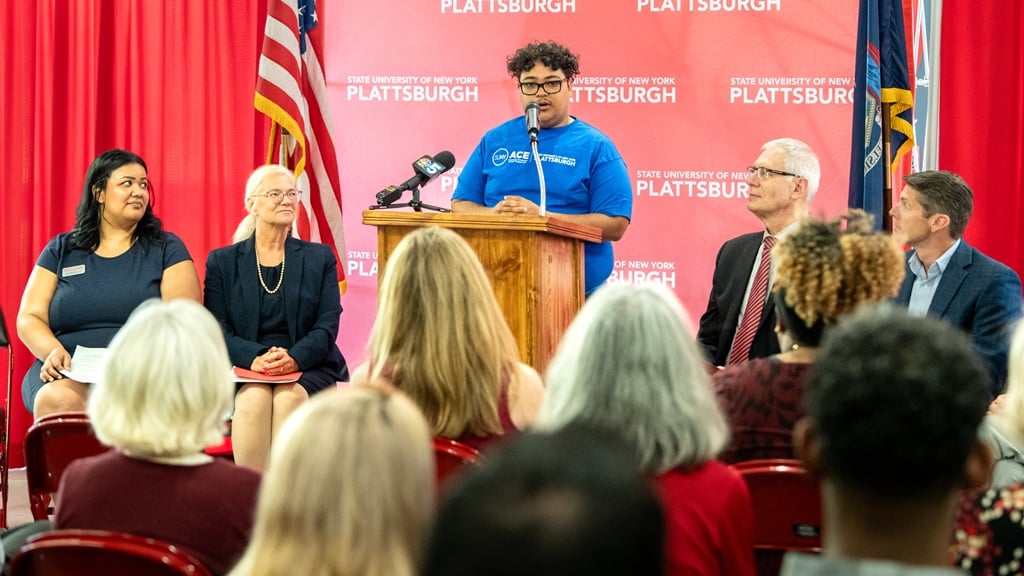
Severino, a senior digital media production major from New York City, said he’s “really grateful for being one of the first students to experience (the program).”
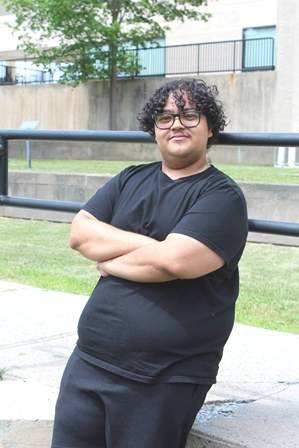 “Being part of ACE has been such a great help with benefits like monthly Cardinal
Cash deposits and having an extra adviser to help me with not only academic stuff
but with anything else, like finding a job or making a plan for the future,” Severino
said.
“Being part of ACE has been such a great help with benefits like monthly Cardinal
Cash deposits and having an extra adviser to help me with not only academic stuff
but with anything else, like finding a job or making a plan for the future,” Severino
said.
“ACE is an extra support system that I know I can fall back on,”he said.
Nelzy credited monthly meetings and regular check-ins with her ACE adviser for making “a huge difference in my academic journey. These meetings keep me accountable and on track, but more importantly, they provide a judgement-free space where I can openly talk about anything going on in my life.
“Having someone to listen, guide me and help me navigate challenges has allowed me to release a lot of pressure and fully focus on being the best version of myself academically and immersing myself in the college experience,” she said.
She also gave a shout-out to Welch and what she called “the ACE gang.”
“I have appreciated every single second of support I get from (them), and I will never, ever forget it,” she said. “I can’t thank (them) with words for the impact they have had on my life.”
— Story, Severino Photos By Associate Director of Communications Gerianne Downs
Welch, Nelzy Photos Provided